Adventures with Cavalry
A working showcase of freelance motion design built in Cavalry, sports, broadcast, and brand experiments for agencies that need things to move fast and stay flexible.
This page is still in development, in the same spirit as the tool itself: a working log of pieces made in Cavalry, alongside a few dead ends along the way. Some of it's polished. Some of it's a rig held together with good intentions. Never standing still, always learning!
Spring
During March 2026, I was lucky to meet the super-talented Borja Holke, while freelancing with Man vs Machine. His expert knowledge and attention to detail were the spark that led me to download the software, and the cavalry adventure was officially underway.
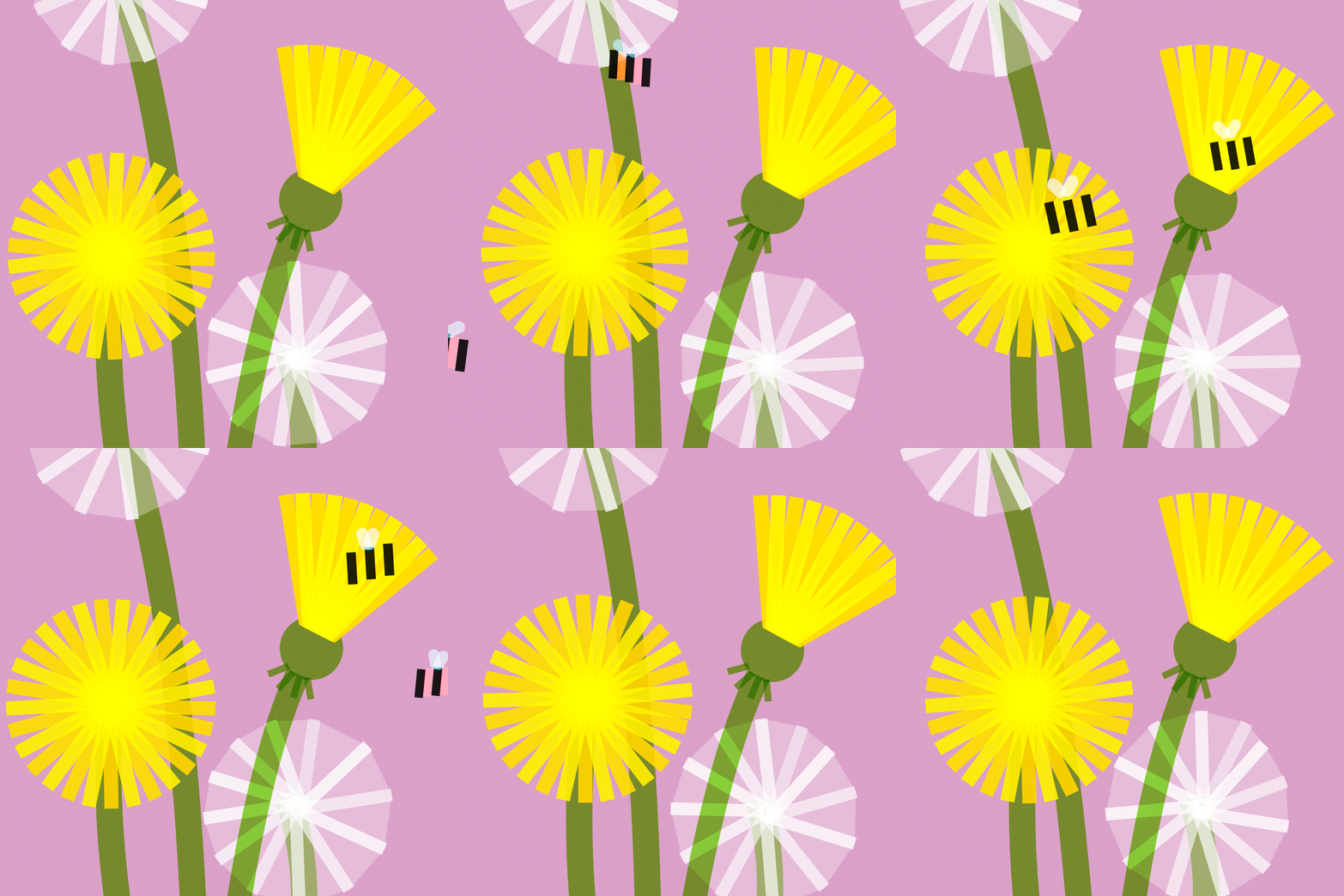
This piece was my first build: straightforward in structure, with the Oscillator driving most of the detail in the petals and stem. Nothing clever yet, just enough to know this was worth sticking with.
Corner Pins
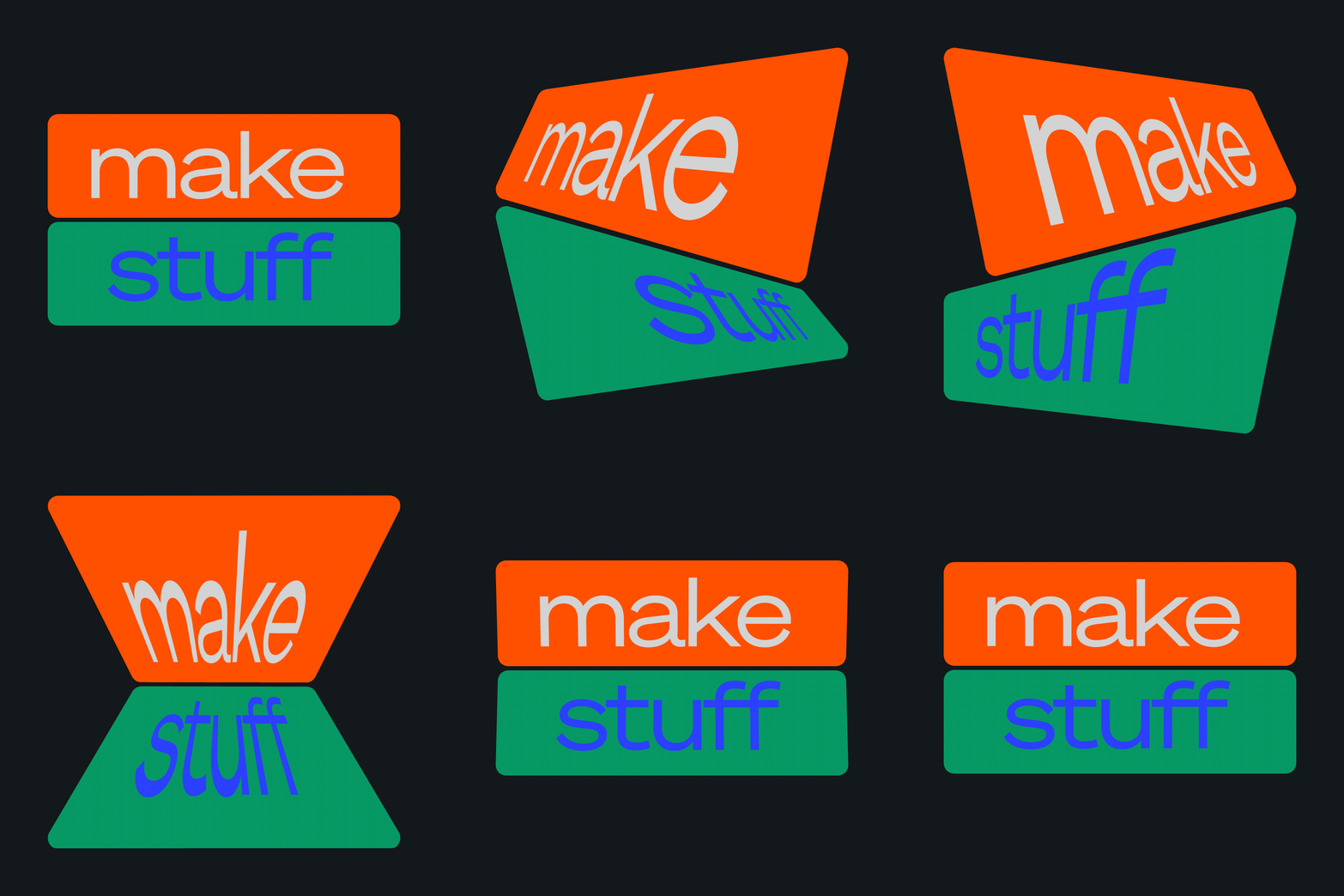
Something that is, what I find, a pain in After Effects due to constant rasterising problems, animating corner pins is a relative breeze in Cavalry. Here’s where we’re animating the corners of a box, which have been given a path offset and bevel. The text is connected to an inner bounding box, and it just kind of works.
Every Act of Creation
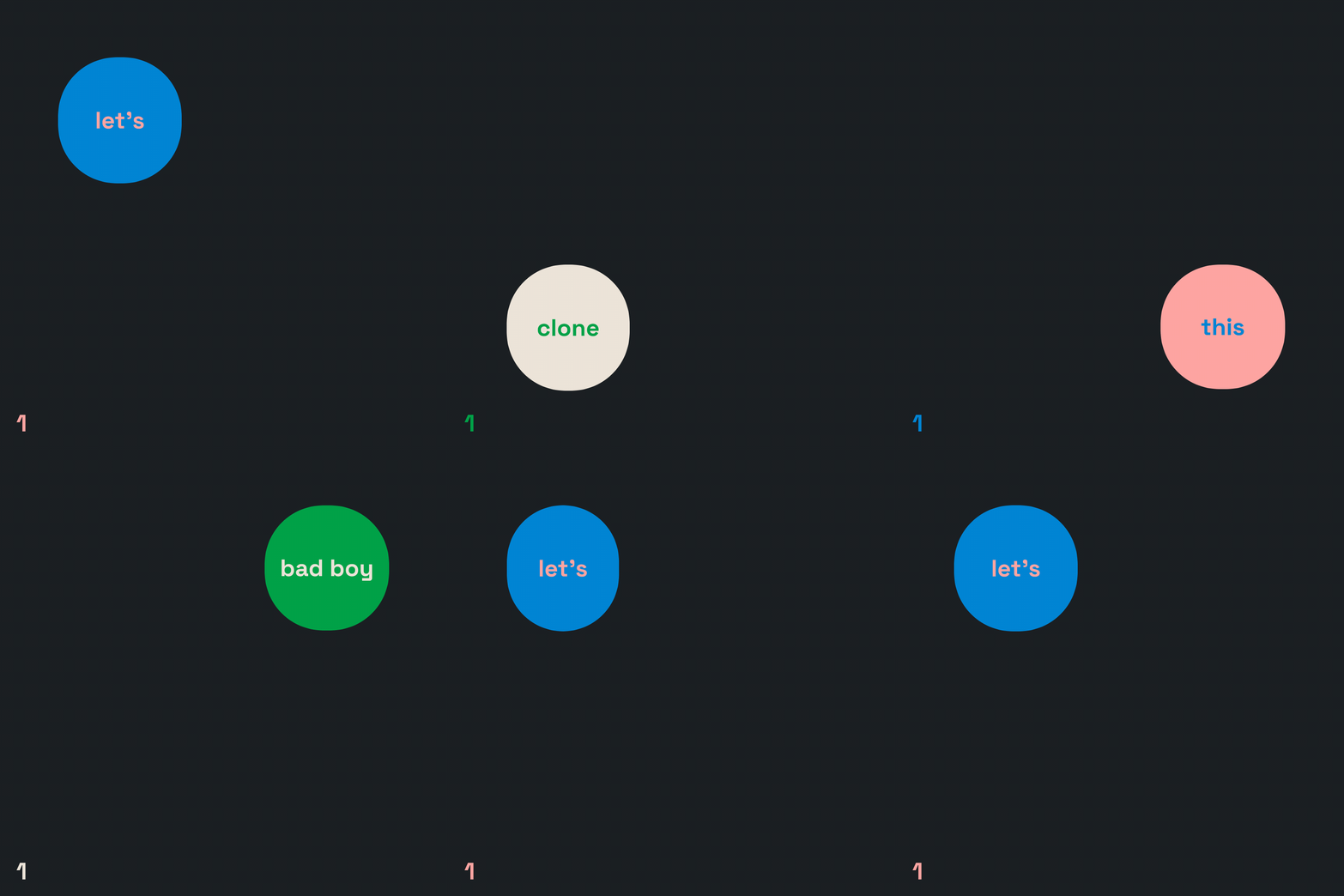
Kinetic type piece built around Picasso's line "every act of creation is first an act of destruction", which felt fitting for where I was with Cavalry at this point. Learning a new tool properly means breaking habits that work fine elsewhere: the way I'd default to setting up type animation in After Effects didn't transfer, and a lot of this build was unlearning that before anything useful came out the other side.
This piece leaned more heavily on Cavalry's behaviours than "Spring" did, Stagger to drive the type on and off, Convex Hull to handle the collision shapes around each word, and Forge dynamics to give the breakup itself some physical weight rather than just animating it by hand. The destruction in the quote ended up being the most interesting part to build.

Grids, Grids, Grids
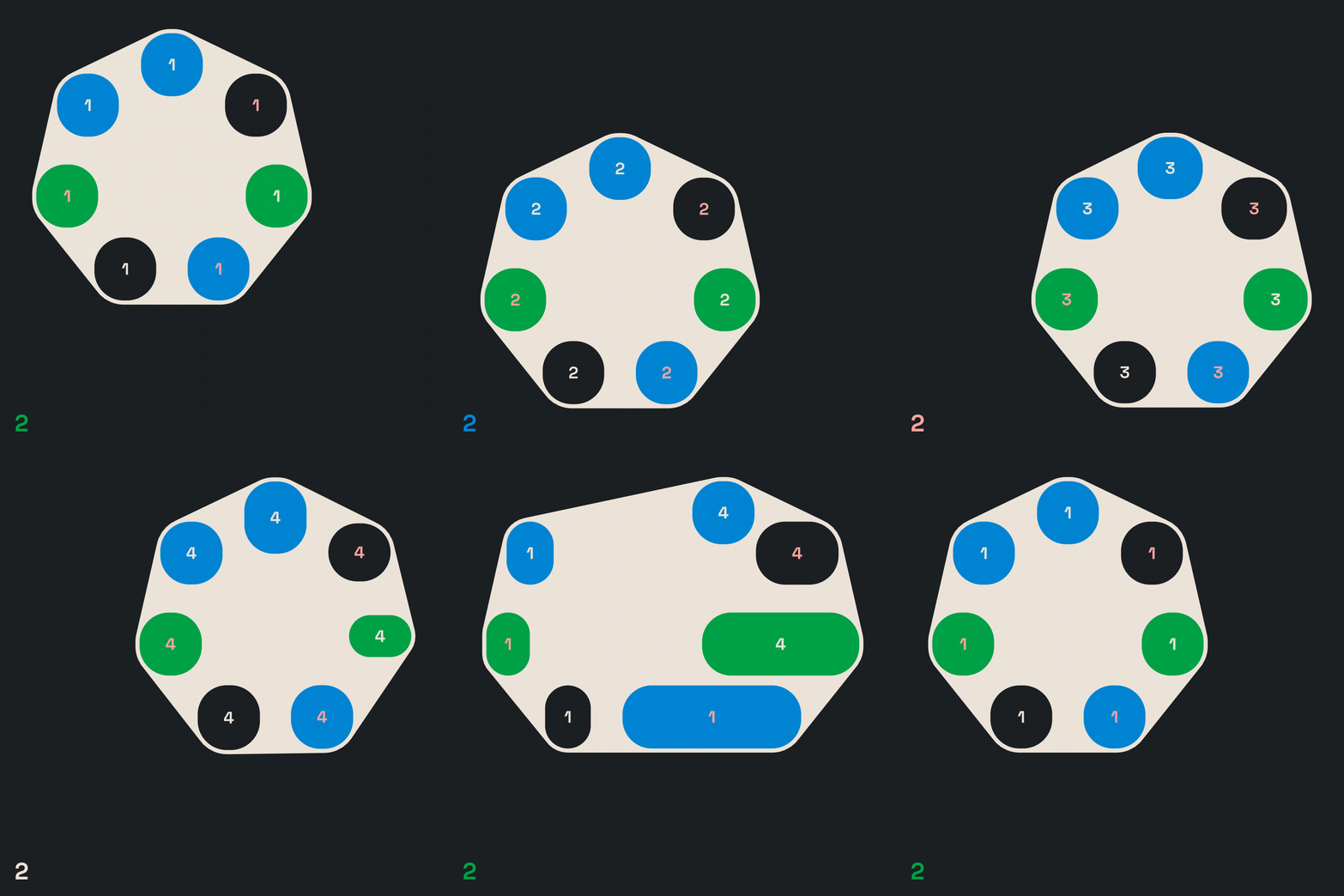
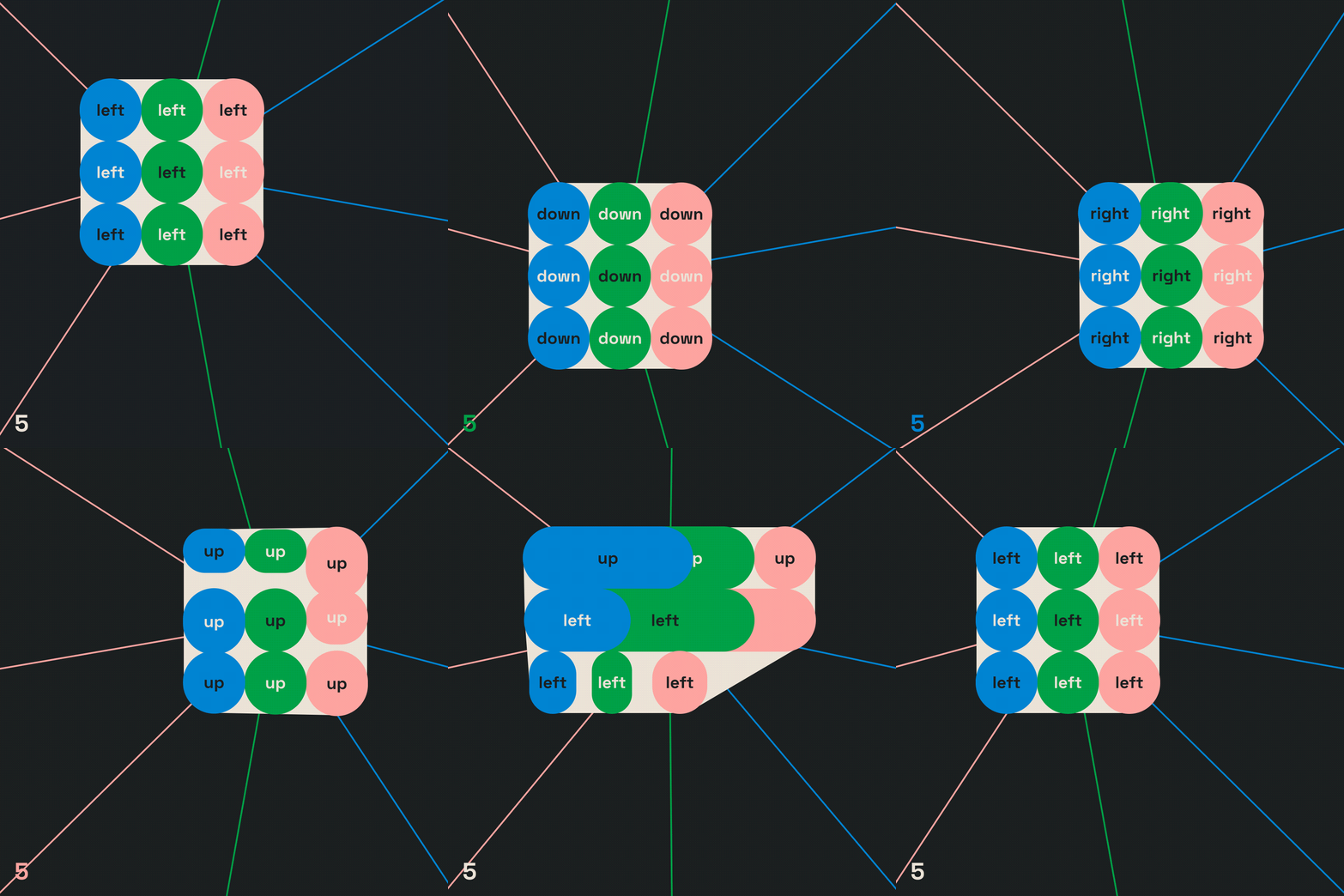
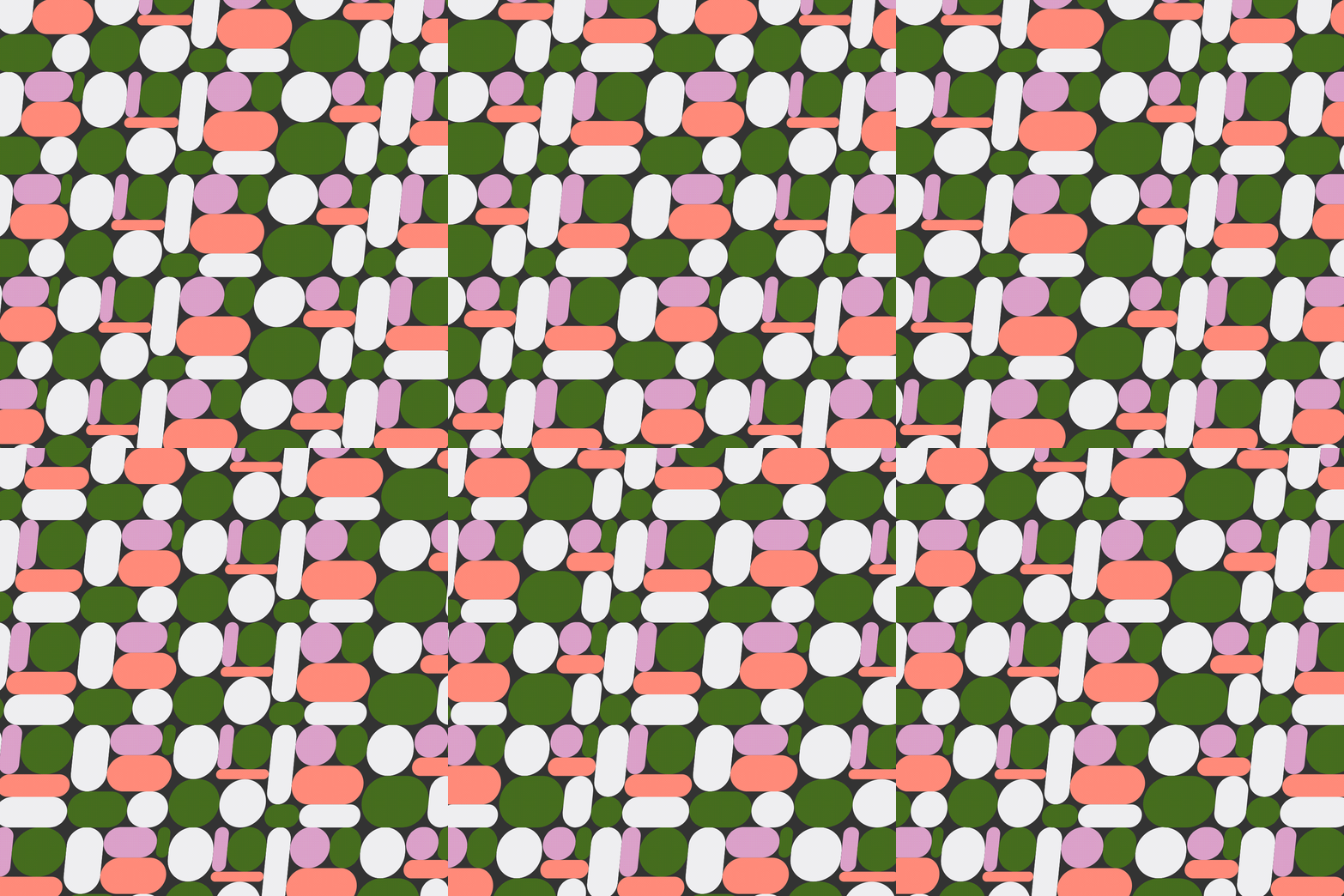
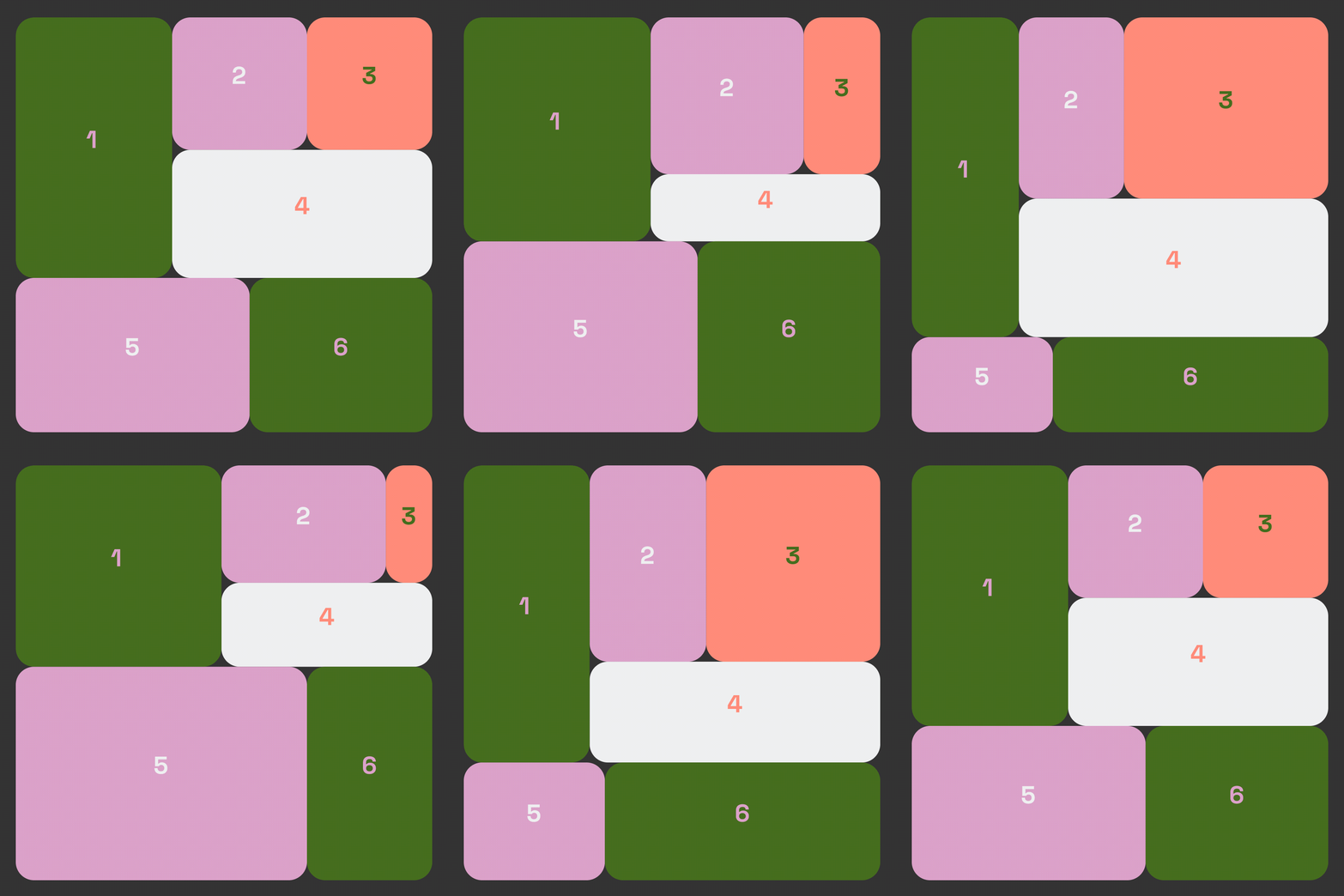
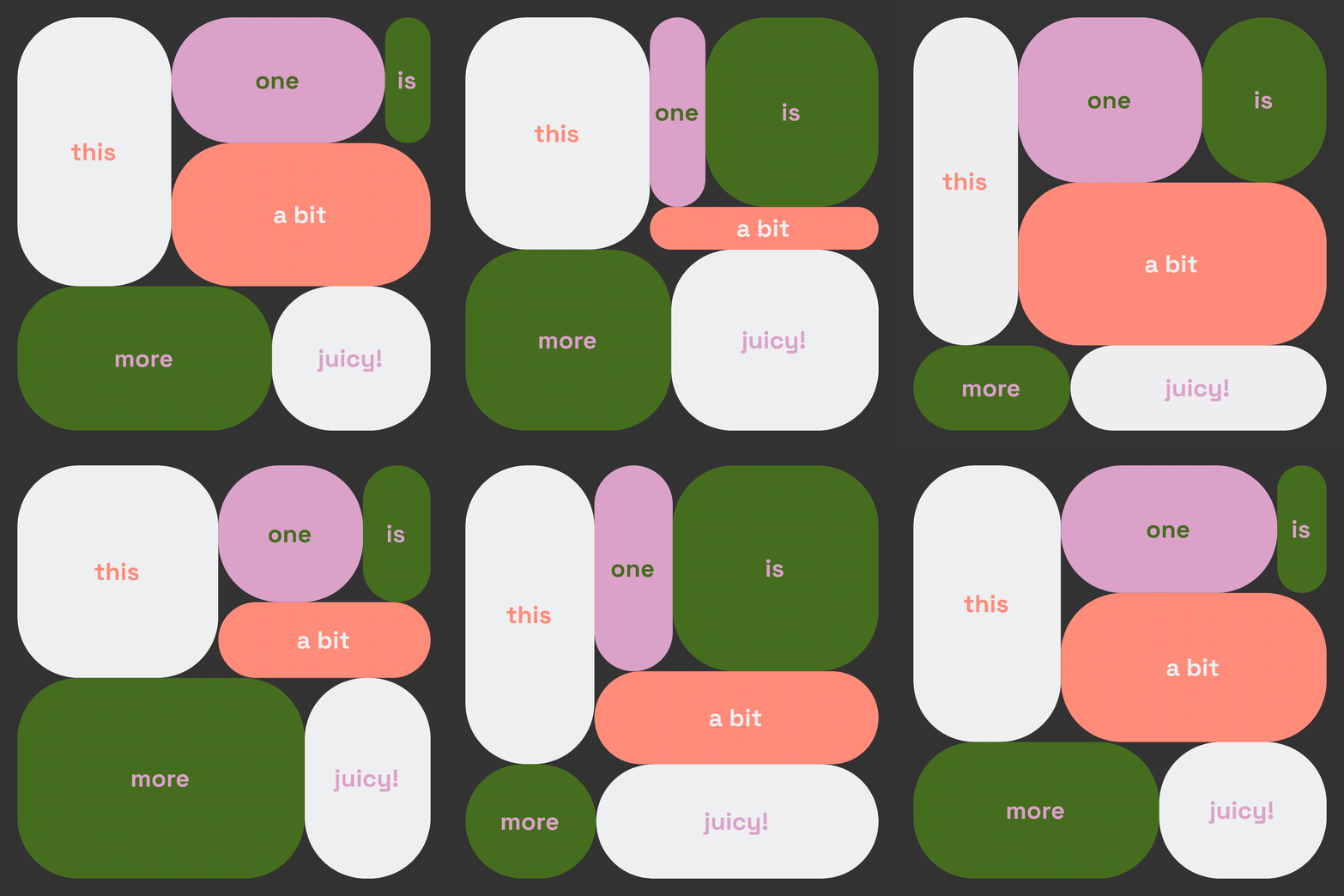
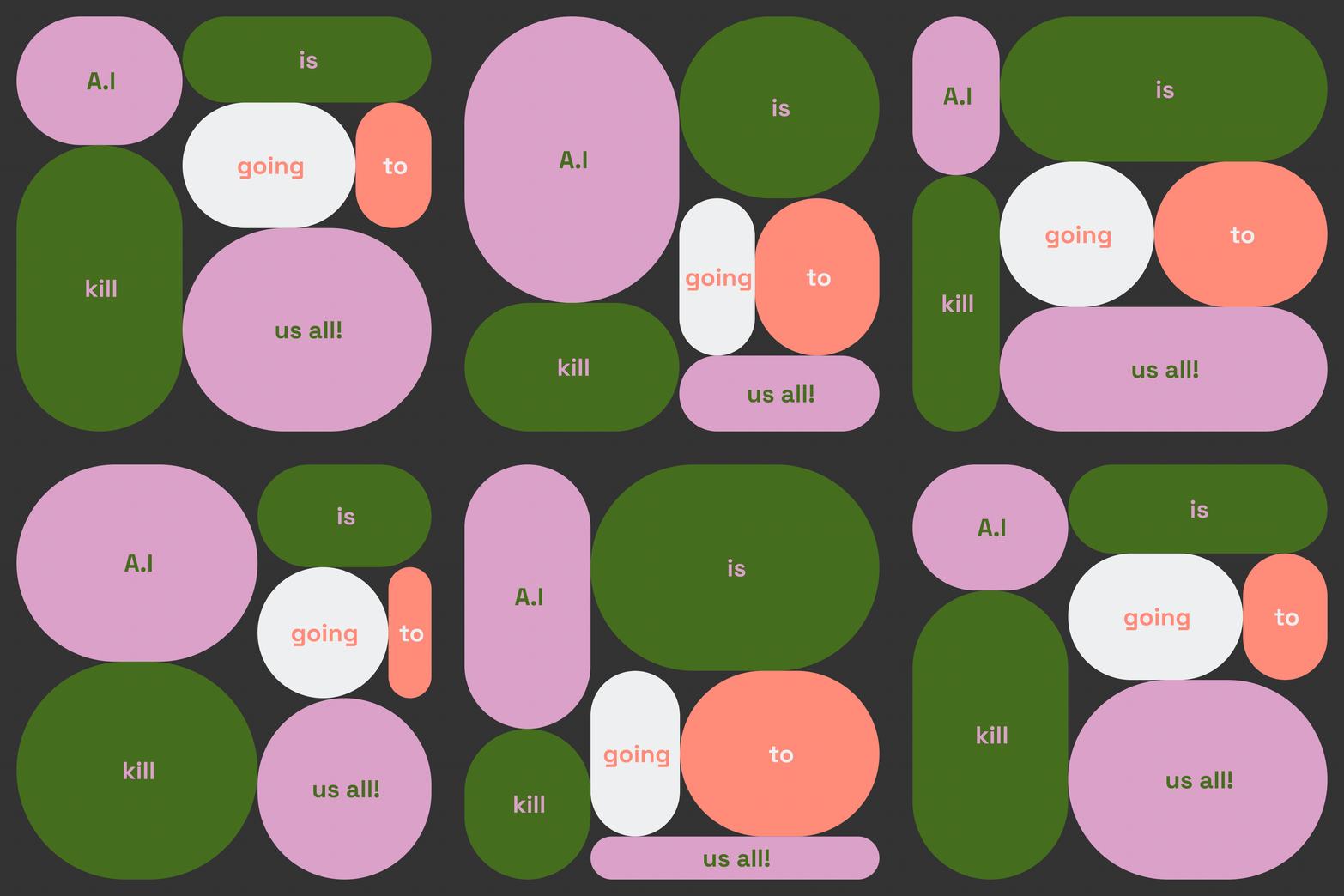
Clients, designers, and art directors all love grids, but in After Effects, they're fiddly to build and even harder to give life to. Benko box animations (the rounded, bouncy grid style you'll have seen everywhere on Instagram and Dribbble over the past year or two) are a good example: widely used, but rarely built with a repeatable system behind them. I wanted a method I could rely on, rather than rebuilding the logic from scratch every time a client asked for one.
This is the result, a Cavalry-built tool that generates the grid, handles the stagger and squash on each cell, and lets me drop in any colour palette or text without touching the underlying rig. Once it worked, I couldn't stop feeding it new lines just to watch it behave.
The Duplicate Dance
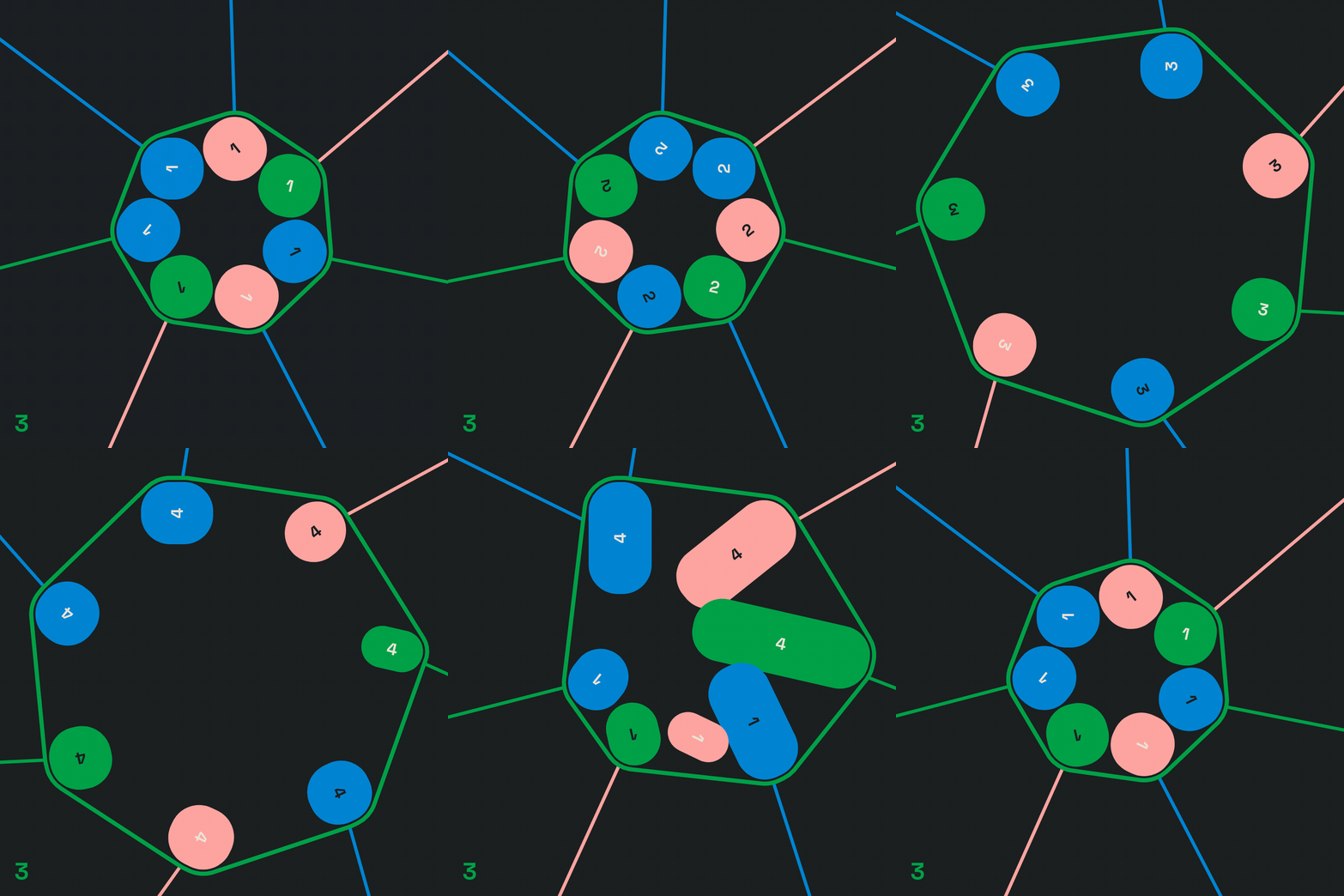
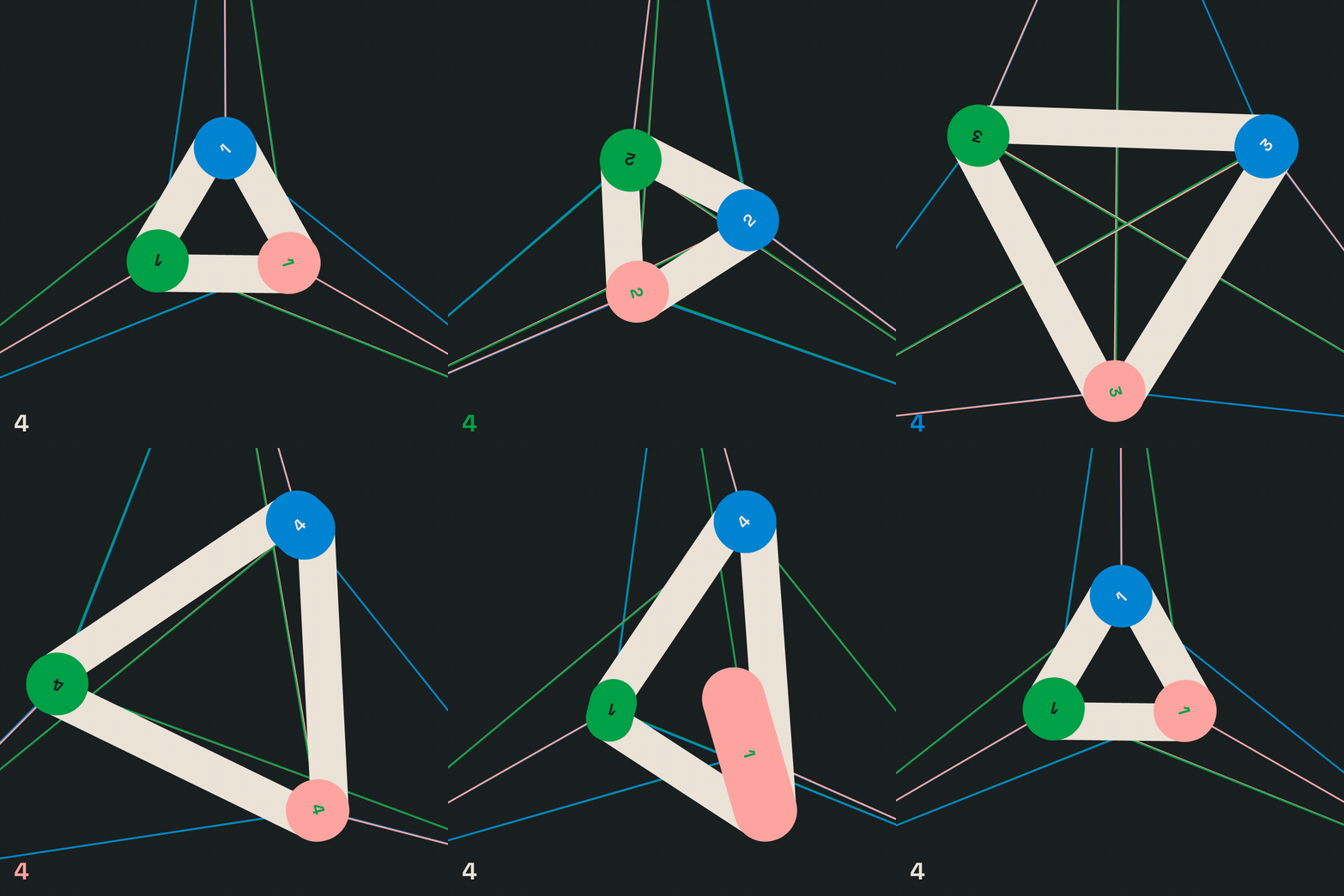
The core animation is a single Benko box, rounded off with a bevel, then duplicated to test different shapes, triangles, squares, and hexagons, within the same system. Convex Hull behaviours then encase the duplicated animation, pulling it into a single outlined form, while Connect Shape drags in extra detail from off-screen to tie the whole composition together.
It's a slower way of working than animating each panel by hand, but it means the rig holds up under change, swap the shape, the count, or the copy, and the system adjusts rather than needing a rebuild. That's the part that matters on agency work: briefs rarely arrive finished, and a tool that can take a late change without starting again saves the kind of time that gets noticed.